
We seem to be slowly drifting towards a place where our values exist beautifully on paper, but our actions tell a completely different story.
We talk about honesty, integrity, transparency, respect, compassion and trust. We put these words on our websites, include them in presentations and proudly display them in our company profiles.
But how often do we stop and ask ourselves whether we actually live by them?
Personally, I am getting tired of people and businesses pretending to be something they are not. You can be whoever you want to be and run your business however you choose, but please stop wearing masks.
What do business values actually mean?
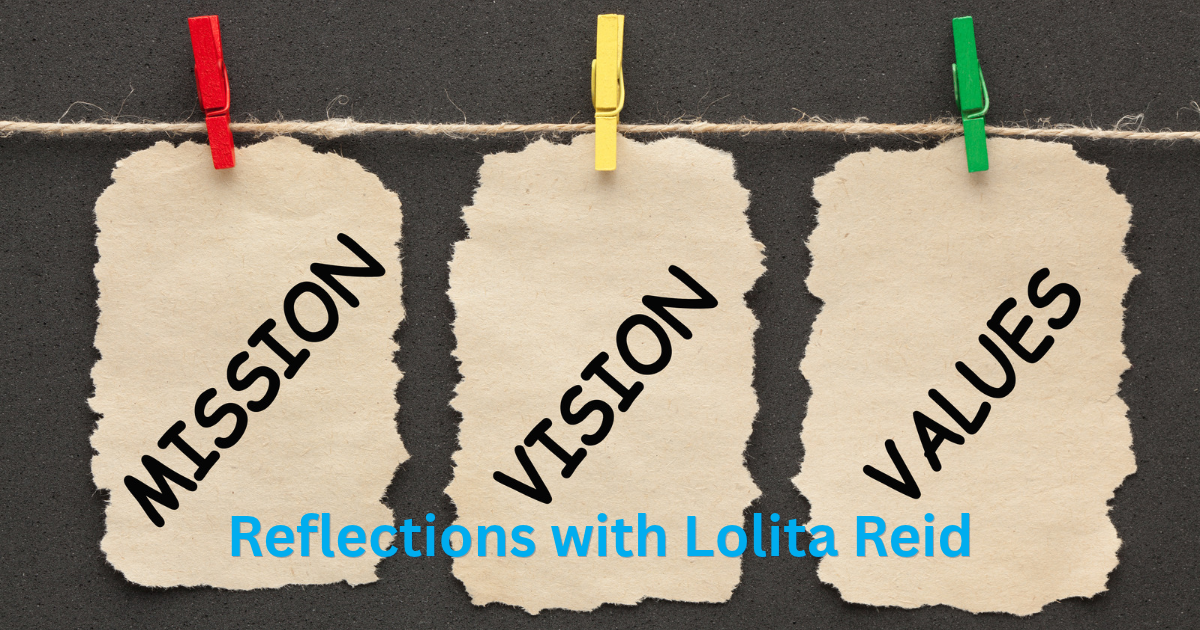
When we start a business, we are often encouraged to define our vision, mission and values. And rightly so.
Our vision describes where we want to go. Our mission explains what we are here to do. Our values establish the principles that guide how we operate.
Together, they shape the promises we make to our clients, employees, shareholders, partners and the wider community. They also help us establish our responsibilities and decide how we want to conduct business.
At least, that is how I understand their purpose.
Take Ryanair, for example.
Ryanair has built its business around offering low fares while maintaining a strong focus on cost control and operational efficiency.
Now, we can debate whether we like its approach to customer service, pricing or communication. Some people appreciate the low fares and straightforward business model. Others find the experience frustrating.
What I find interesting is that Ryanair makes its commercial priorities relatively clear. Customers can decide whether that offering works for them.
Of course, having a clear business model doesn't automatically mean every decision or interaction is honest and transparent. A company still needs to demonstrate that through its actions.
And this is where I think many businesses get into trouble. They make promises that sound wonderful, but those promises don't always reflect how they actually operate.
Why create expectations you are unwilling or unable to meet?
When the words and actions don't match
Recently, one of my clients shared an experience that made me think about this subject more deeply.
She had been authorised to operate an academy in a particular country on behalf of an organisation.
Then the company changed ownership.
With the new ownership came changes to the rules and arrangements. That in itself is understandable. Businesses evolve, priorities change, and new owners have the right to reconsider commercial relationships.
But according to my client, nobody communicated those changes to her or gave her an opportunity to discuss what was happening.
One morning, she learnt from a colleague that her academy was no longer on the official list. Someone else had taken her place.
Just like that.
What made the situation particularly difficult to understand was that the organisation publicly promoted values associated with love, unity and healing.
Now, I want to be fair. There are always two sides to a story, and I don't know every detail behind that decision.
Perhaps there were perfectly legitimate business reasons for making the change. However, I still believe that the way we communicate our decisions and treat people affected by them deserves just as much attention as the decisions themselves.
If your organisation promotes compassion, unity and respect, wouldn't it be reasonable for people working with you to expect those principles to influence how you treat them?
A difficult conversation might be uncomfortable. It might even lead to disappointment or disagreement. But surely having that conversation is part of treating someone with respect?
I also wonder what happens to trust when people experience such a significant difference between what an organisation says and what it does.
The cost of empty promises
Trust takes time to build and can be lost remarkably quickly.
This matters in every business, regardless of its size.
When people discover a gap between what a business promises and what it delivers, they may begin questioning everything else that business says.
And we live in a world where experiences are shared almost instantly. One disappointed customer, employee or business partner can tell their story to hundreds or thousands of people.
Of course, not every complaint is justified, and not every negative experience represents the whole truth. But reputational damage is a real business risk, particularly when a company's public identity is built around principles that its behaviour appears to contradict.
The bigger the organisation, the more people may be affected by its decisions. For a small business owner, the consequences can be just as significant. Losing the confidence of a handful of clients or partners may have a substantial impact.
This is why I believe we should be careful about the promises we make and the values we choose to associate with our businesses.
For example, if we say we value transparency, are we prepared to explain decisions that others might not like? If respect is one of our core values, does that respect extend to people who disagree with us or are no longer commercially valuable to our business?
And if we claim that people come first, how does that influence the way we make decisions when our business interests are at stake?
I think these questions deserve some serious consideration.
Start with your own business
I could spend hours discussing businesses whose actions appear to contradict their values. I am sure we could all come up with plenty of examples.
But I would rather focus on something I can actually influence.
I want to run a business where my values and my actions are aligned, and I encourage the women I work with to think about what that means for their own businesses.
Will I always get everything right? Of course not.
I will make mistakes. I might misunderstand situations, make decisions that don't work out or occasionally fail to live up to my own expectations.
What matters to me is recognising when that happens, taking responsibility and learning from the experience.
I also think we need to consider how we apply our values to ourselves.
For example, if we say we value wellbeing but continuously ignore our own boundaries, perhaps we need to examine how we are running our business.
If we encourage our clients to make thoughtful decisions but constantly rush our own, we might want to ask ourselves why.
And if authenticity is one of our values, are we allowing ourselves to build a business that reflects who we are, or are we constantly trying to fit someone else's idea of what a successful business owner should look like?
These are questions I ask myself, too.
Be a teacher who lives what they teach
There is a principle I want to practise in my own business: live what you teach.
Whether you are a coach, consultant, therapist, educator, service provider or any other business owner, the way you conduct yourself communicates something about your principles.
People notice how you respond when things go wrong, how you handle disagreements, whether you honour commitments and how you treat them when circumstances change.
So, how can we bring our business values into our everyday practice?
Here are a few suggestions.
1. Revisit your values and question what they mean
Look at the values you have written down for your business.
Why did you choose them? What do they mean to you personally? How should they influence your decisions?
If you value honesty, what does honesty look like in your client relationships?
If you value respect, how do you demonstrate it when you disagree with someone?
Try to think of specific examples of how you practise each value in your business.
2. Examine your recent decisions
Think about three significant business decisions you have made recently.
Which values influenced those decisions?
Were there moments when you compromised one of your principles because another option seemed easier, faster or more profitable?
You might discover that your values are already guiding you. Or you might notice areas that deserve more attention.
Either way, you will have something useful to reflect on.
3. Pay attention to uncomfortable situations
We often discover how committed we are to our principles when circumstances become difficult.
Perhaps you need to deliver disappointing news, admit a mistake, establish boundaries or make a decision someone won't like.
Before acting, consider how you can handle the situation in a way that reflects your values.
You may not be able to make everyone happy, and sometimes your decisions will disappoint people. However, you can still consider how you communicate those decisions and treat the people involved.
4. Ask others about their experience
We don't always see our own inconsistencies.
Ask a trusted client, colleague or business partner whether their experience of working with you reflects the values you communicate.
And be prepared to listen.
You don't have to agree with every observation, but another person's perspective may help you notice something you have overlooked.
5. Make reflection part of your business practice
As our businesses grow and circumstances change, we encounter new situations that challenge our thinking and test our principles.
Take time to reflect on what happened, how you responded and what you might do differently.
When you notice a gap between your intentions and your actions, investigate what contributed to it. Consider what you have learnt and decide whether something needs to change.
I believe this kind of reflection helps us become more intentional about how we conduct our businesses.
What do your actions say about your business?
Perhaps it's time to revisit the values displayed on our websites, business plans and company profiles and consider how well they reflect the way we actually operate.
I don't expect every business to share my values. We are different people, building different businesses, with different priorities.
But I do believe we have a responsibility to be clear about what we stand for and make a genuine effort to live accordingly.
After all, our clients and business partners experience our values through the decisions we make, the promises we keep and the way we treat them.
And I would much rather be known for how I conduct my business than for the beautiful words I have written on my website.
So, here is a question I would like to leave you with:
If someone looked at the way you ran your business over the past month, without reading your website or business plan, what values would they say you practise?